
1. Order Receiving and Processing: Receive order information from customers, including the type of goods, quantity, shipping address, etc., and process and confirm it.
2. cargo preparation and packaging: prepare the goods to be shipped, including checking the quality and integrity of the goods, packaging and marking.
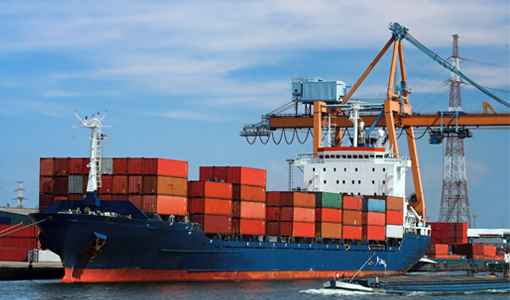
3. Transportation mode selection: according to the nature, weight, size and customer requirements of the goods, choose the appropriate mode of transportation, such as land transport, sea transport, air transport, and so on.
4. Transportation plan and arrangement: make transportation plan, including choosing transportation routes, predicting transportation time, arranging transportation vehicles or ships, etc.
5. Transportation operation and tracking: hand over the goods to the transportation company or logistics service
provider for transportation operation and track the transportation status of the goods to ensure that the goods arrive at the destination safely.
6. Data recording and updating: Record the data in the process of logistics shipment, including shipment time,
quantity of goods, mode of transportation, destination and other information, and update the inventory system or logistics management system.